

Doubting Thomas Tsk Tsk Tsk
Lectionary Reflection for Second Sunday of Easter April 12, 2026

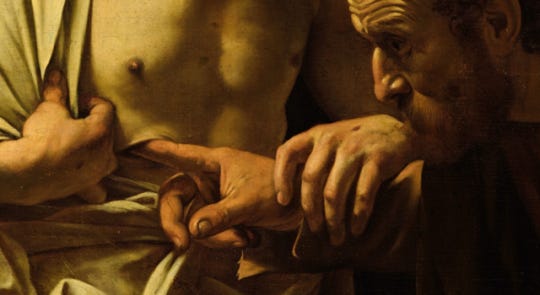
Thomas makes the most profound statement about Jesus in all of the New Testament canon - naming Jesus as his God. Is he remembered for that? No! he is remembered by the moniker Doubting Thomas. Doubting Thomas (you can hear the implied tsk tsk tsk). In so many Bibles there are titles added throughout the text that name the passage by subject which makes many stories easier to find than looking merely by chapter and verse. So, to stay in the Gospel of John - Chapter 6 is entitled Feeding of the five thousand while Chapter 13 is entitled Jesus washes the disciples feet. Of course we know what today’s Gospel is entitled, right? Doubting Thomas. Although these titles make passages a little easier to find I want to remind you they are not part of scripture, not part of the canon. They guide our eyes to the right stories but also install in us a the preconceived notion about the passages which can blind us to what is really going on.
When a passage is named “Doubting Thomas” it tips the story toward an interpretation that is not fair. Thomas gets a bad rap and I’ll tell you why.
Let me start a few chapters back in the Gospel of John. Thomas shows, without a doubt, that he is committed. Thomas says to the other disciples when Jesus is to return to Bethany, Lazarus’ home and where they had tried to stone Jesus earlier, ‘Let us also go, that we may die with him.’ Pessimist perhaps but hardly the statement of chronic doubter.
Last week the disciples are thrust into the passion - Palm Sunday’s triumphant entrance into Jerusalem, creating chaos in the temple by turning the tables on the money changers, the challenging of the oppressive authorities, the Maundy Thursday foot washing with the master acting the servant and commanding them to do the same, the nighttime arrest in the garden, the mob scene, scourging, denial and crucifixion.
The disciples world has been turned upside-down, he is probably fearful for their lives, their rabbi and Lord is slain, one of original 12 disciples has has betrayed them and hanged himself, others have publicly denied even knowing Christ. They are probably all wanted men, in short—it had been a bad week. The disciples have huddled into a locked, dark room and probably spent considerable time there as they were scared, fearful for their own lives.
Then Thomas steps away, we do not know where he went or why. Maybe he was the bravest of the bunch sent out to find out what is happening maybe, to pass a message to other disciples also hiding, maybe a pizza run - we don’t know. Jesus shows himself to the disciples gives them the Holy Spirit, breathing on them and sending them out into the world saying, “as the Father sent me so I send you.”
Now Thomas was not among the others. But when he enters he is given the wonderful news: Thomas, Thomas the Lord is Risen from the dead. He has come to us, we have seen him and he breathed his holy spirit on us and sent us out into the world.
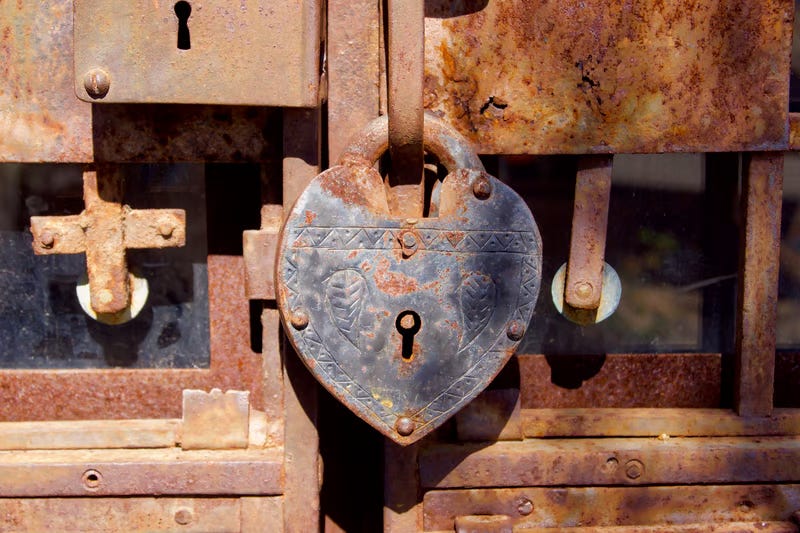
Thomas says, O really. Let’s see, you are still here huddled in the dark behind closed doors. You aren’t out sharing the good news. You are still scared and frozen. In short, you don’t look like people who have seen the risen Lord. Unless I see it for myself I cannot believe you guys because you are pathetic witnesses.
No wonder Thomas doesn’t believe. Would you? Thomas gets the name “Doubting Thomas” but really it is the disciples who should get negative moniker, maybe something like “The Fearful Disciples” or “The Frozen Chosen”. Maybe that would be a better title for the story. The disciples are given the Holy Spirit and go right on living their lives locked behind four walls, unable and unwilling to share the good news out of fear.
Thomas is close kin
Now in the 21st century, that demands evidence for everything, Thomas is close kin. I mean, I relate to Thomas. Thomas is the patron saint for those of us who are trying to live a critical faith.
I think Christians are tempted by two false options. On the one hand, there is faith without doubt, a kind of faith so impatient with people like Thomas that it would cast them out for asking impossible questions. On the other hand, there is absolutism without faith – never wanting to accept anything but the most concrete and tangible proofs. Thomas presents to us a better way.
There was a prayer for many years in the Episcopal Book of Common prayer by another Thomas, Thomas Cramner, who realized the fruits of doubt. The old Cramner prayer for St. Thomas Day begins like this: Almighty and everliving God, who, for the greater confirmation of the faith, didst suffer thy holy Apostle Thomas to be doubtful.
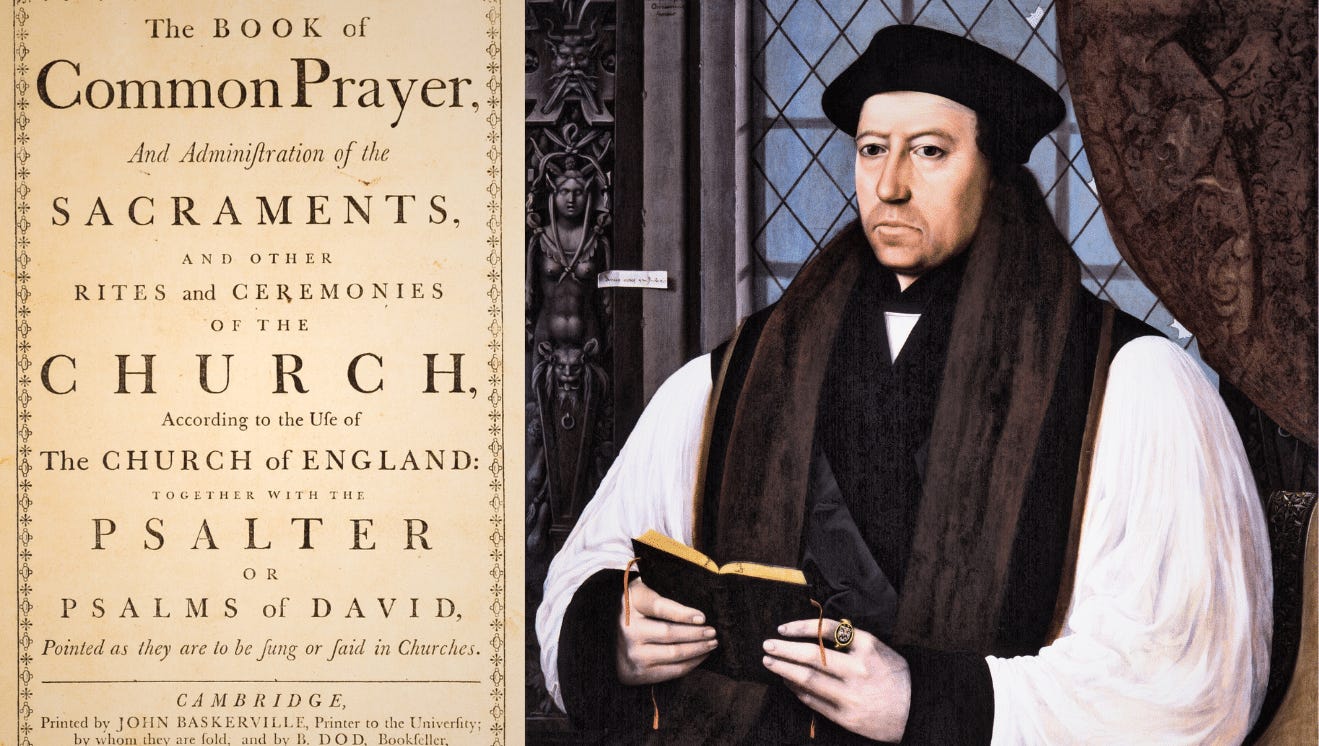
Doubt is seen by Cramner as the greater confirmation of the faith. Doubts, then, are part and parcel of the faith process, not antithetical to it.
It is not easy to express doubts today. All to often, such critical expressions are misrepresented. I remember years ago after the tsunami disaster in South East Asia, Archbishop of Canterbury Rowan Williams wrote “Every single random, accidental death is something that should upset a faith bound up in comfort and ready answers. Faced with the paralysing magnitude of a disaster like this, we naturally feel more deeply outraged - and also more deeply helpless.”
He was expressing something to which all of us may relate. But the headline of the next days London’s Daily Telegraph read, “Archbishop of Canterbury questions God’s existence”
And I think the church has done to Thomas what the Telegraph did to the Archbishop. Thomas is honestly critical of the news that he hears from the disciples who are still in hiding, even after receiving the spirit and being sent out by Jesus, and we impugn his faith. Notice that Jesus doesn’t chastise Thomas. Jesus only suggests that Thomas missed out on something greater. The greater blessing, Jesus insists, is when we can live with a faith that has no security, no proof, only the tension of living an Easter life—seeing through resurrection-tinted lenses.
The other reason I think Thomas gets a bad rap is that I think that he has finally understood Jesus saying from the previous chapter, where Jesus is going to prepare a place for him. He knows that Jesus is “the way, the truth and the life” and I think Thomas knows, intuitively, where to find the truth of Jesus. He knows how Christ is ultimately to be revealed. In Christ’s wounds.
Thomas doesn’t ask for spectacle. He doesn’t say, walk through the wall again or prove it with some display of power. He says: show me the wounds.
That matters.
Because Thomas is not asking whether Jesus is alive. He is asking what kind of life this is. If resurrection is real, it cannot be the erasure of suffering. It must somehow include it—transform it—carry it forward without denying it.
And so Thomas reaches, not for evidence of strength, but for the marks of vulnerability. He intuits that whatever it means for Christ to be risen, it will be recognizable in the places where he was broken. Which is why this scene has never only been about Thomas. It is about how any of us come to recognize resurrection at all.
Not in the absence of wounds, but in their transfiguration.
Not only in hands and feet and side, but in the wounds that mark our own lives—divorces, emergency rooms, tsunamis, strokes, stillbirths, suicides. The question is not whether these exist. The question is what becomes of them.
Kintsugi
There is a Japanese art called kintsugi—the practice of repairing broken pottery with lacquer mixed with gold. The fracture is not hidden. It is illuminated. The break becomes part of the object’s history, even its beauty.
Kintsugi is not simply a technique. It is a vision: that what has been broken need not be discarded, and that repair does not mean pretending the break never happened.
Kintsugi is the japanese art of repairing broken pottery with lacquer dusted or mixed with powdered gold, silver, or platinum. Kintsugi isn’t merely fixing ceramics it is also a philosophy which treats breakage and repair as part of the history of an precious object, rather than something to disguise.
Kintsugi comes from two Japanese words Kin- to join; tsugi -with gold - to join with gold. No attempt to disguise the damage, but rather make the fault lines beautiful and strong.
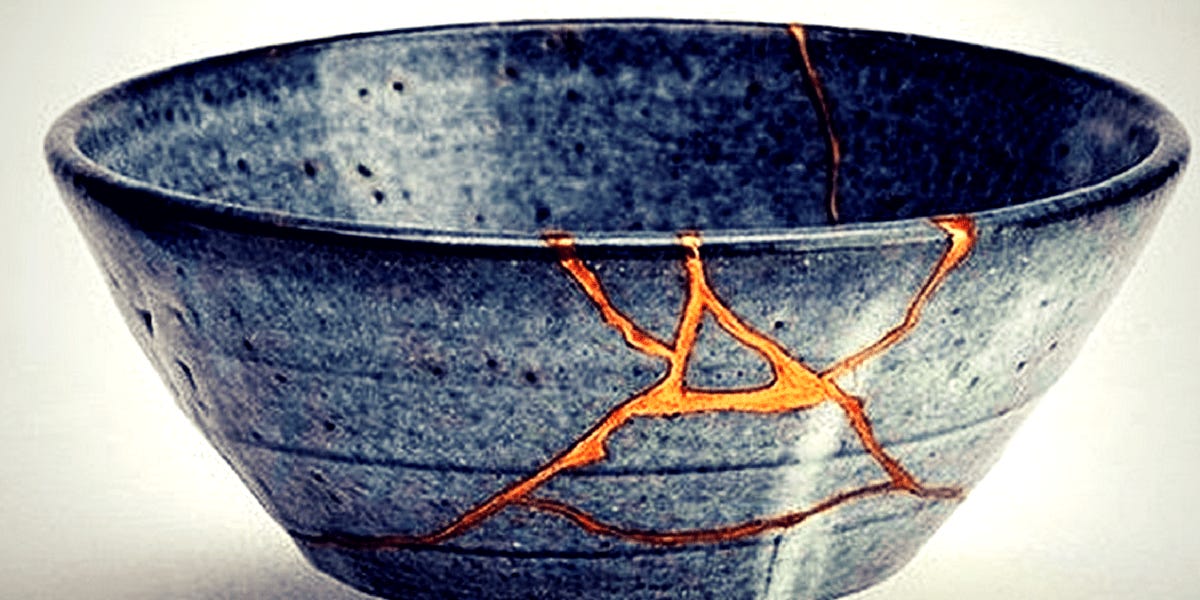
A story is told of a sage Sen No Rikyu who was invited to dinner and his host, trying to impress his important guest, purchased an elaborate and expensive tea jar of which the wise man didn’t even notice.
Rikyu was more taken with a branch outside the home blowing in the breeze. Once the sage left, the devastated host smashed the jar in frustration. Other guest gathered the pieces and using kintsugi added the golden pieces back together
When Rikyu returned he noticed the once broken top pot and exclaimed, with a knowing smile, “now it is magnificent.”
My favorite collect, not favorite in that it is merely poetic but favorite in that it is my bedrock - the foundation of all I do, points to this reality. Let the whole world see and know that which was cast down is being raised up and that which had grown old is being made new and all things are being brought to their perfection.
Thomas is a reminder: It is through our wounds that we are able to experience the most profound grace.

Was asked to repost the resurrection essays.
Thanks for reading and supporting Andrew Thayer Studio.
By far, this is the finest message I've read about "Doubting" Thomas and me...and us. Thankful I found your Substack!
This reading of Thomas rings so true to my experience. It calls us to look at this broken world and see threads of gold everywhere, and cracks waiting to be filled.