

Sparta (Mostly) Sucks
How a militarized culture obsessed with hardness, discipline, and warrior masculinity became one of the most misunderstood civilizations in modern political mythology

You see them everywhere these days: flags, trucks, T-shirts, tattoos. The Spartan helmet fused onto every imaginable piece of Americana — symbols of toughness, masculinity, discipline, domination. If I had to pinpoint where much of this modern obsession began, I would probably start with Zack Snyder’s 2006 film 300, his graphic-novel stylized retelling of the Battle of Thermopylae between the Spartans and the Persians.
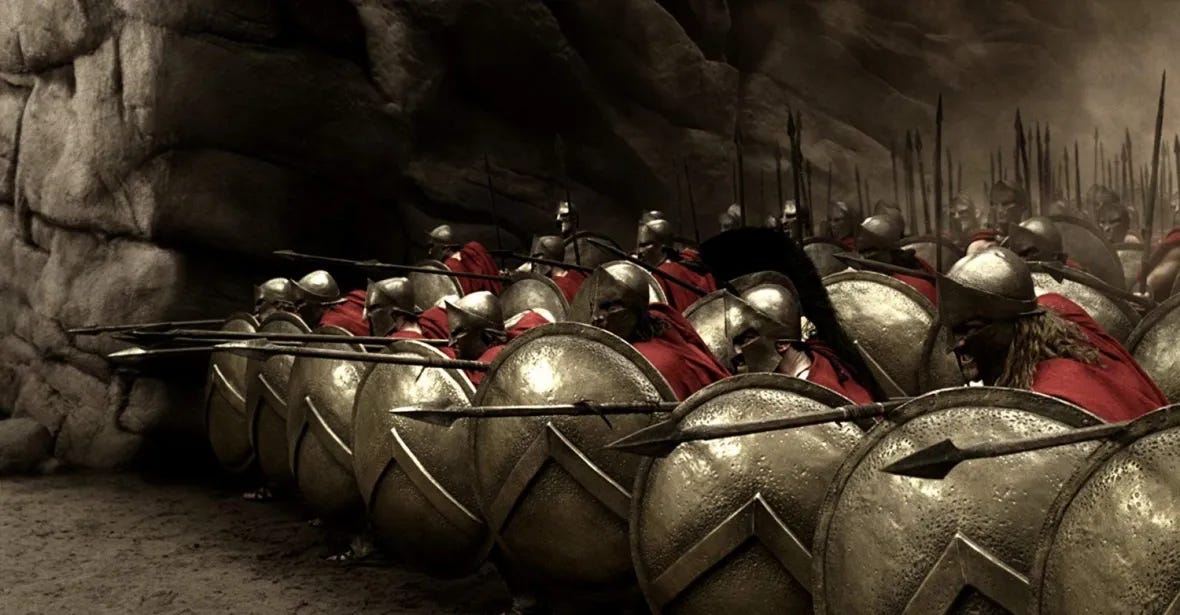
As history, the film is almost nonsense. Snyder — who also gave us visually operatic blood-soaked films like Watchmen and Dawn of the Dead — based 300 less on historical scholarship than on Frank Miller’s graphic novel. Yes, Thermopylae was real. Yes, a small Spartan-led Greek force really did hold off a vastly larger Persian army for a time. But nearly everything else — the armor, the politics, the timelines, the aesthetics all reshaped for modern spectacle.
Since then, fascination with Sparta has metastasized into a full-blown cultural aesthetic. Spartan helmets now appear everywhere from tactical gear to coffee mugs, lifted out of history and transformed into shorthand for macho, masculinity, discipline, and militant defiance. Even the ancient Spartan phrase Μολὼν λαβέ — “Come and take them” — allegedly spoken in response to Persian demands to surrender their weapons, has been repurposed into a modern slogan for Second Amendment absolutism. (I will leave the irony of celebrating an intensely collectivist militarized state as the symbol of rugged American individualism for another day.)
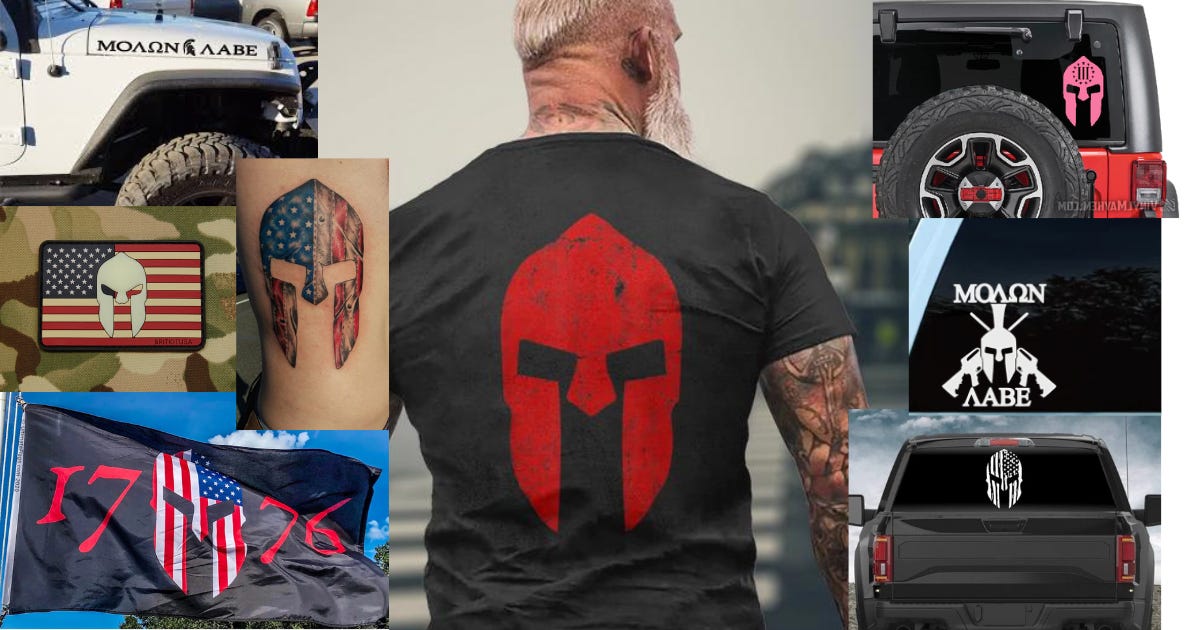
I would like to go on record saying: Sparta sucks…mostly.
Unlike neighboring Athens, Sparta produced no great libraries, no enduring philosophical tradition: no Socrates, no Plato, no Aristotle. Spartans built no architecture with remember: no Parthenon, no Acropolis. No public art worth speaking of: little sculpture, theater, or poetry that we study. Spartans were ruled by a tyrannical oligarchy: no Symposium, no democracy. Sparta was mostly a heavily militarized society organized around war, austerity, and the fear of appearing weak.
A civilization organized almost entirely around war and fear
eventually forgets how to create anything else.
I say Sparta mostly sucked because there are, in fairness, aspects of Spartan life worth admiring. Spartan women enjoyed significantly more freedom than most of their Greek counterparts: they could inherit property, own land, manage estates, receive education, and move relatively freely in public life. The Spartans also displayed a suspicion toward excessive luxury and conspicuous wealth that modern consumer societies might do well to reconsider. There was, too, a profound sense of civic obligation — the belief that citizens owed something to the common good beyond private appetite and personal advancement.
Curiously, however, those are rarely the parts modern “Spartan” enthusiasts celebrate. You do not see many podcasts in the Spartan-loving ‘manosphere’ advocating for women’s rights- quite the opposite. The people waving Spartan flags almost always seem more interested in the aesthetics of domination.
Perhaps the modern fascination with Spartan strength reveals a shared psychology as well. Beneath Sparta’s militance was insecurity- a fear of defeat and decline that stripped almost every enduring virtue. What was left was brutality which led them to practice savage cruelty. Boys were sent alone into wilderness to “become men.” If some died it wasn’t tragedy, it was purification. A civilization organized almost entirely around war and fear eventually forgets how to create anything else.
And when Sparta did go to war, despite how the movie 300 portrays it, they were, at best, at best, mediocre militarily. When they finally fought the playwrights, sculptors, potters, philosophers, merchants, and librarians of Athens—called the Peloponnesian War—this invincible warrior culture couldn’t defeat them for 27 years and only finally won because Persia helped them build out a navy at about the same time Athens suffered a famine.
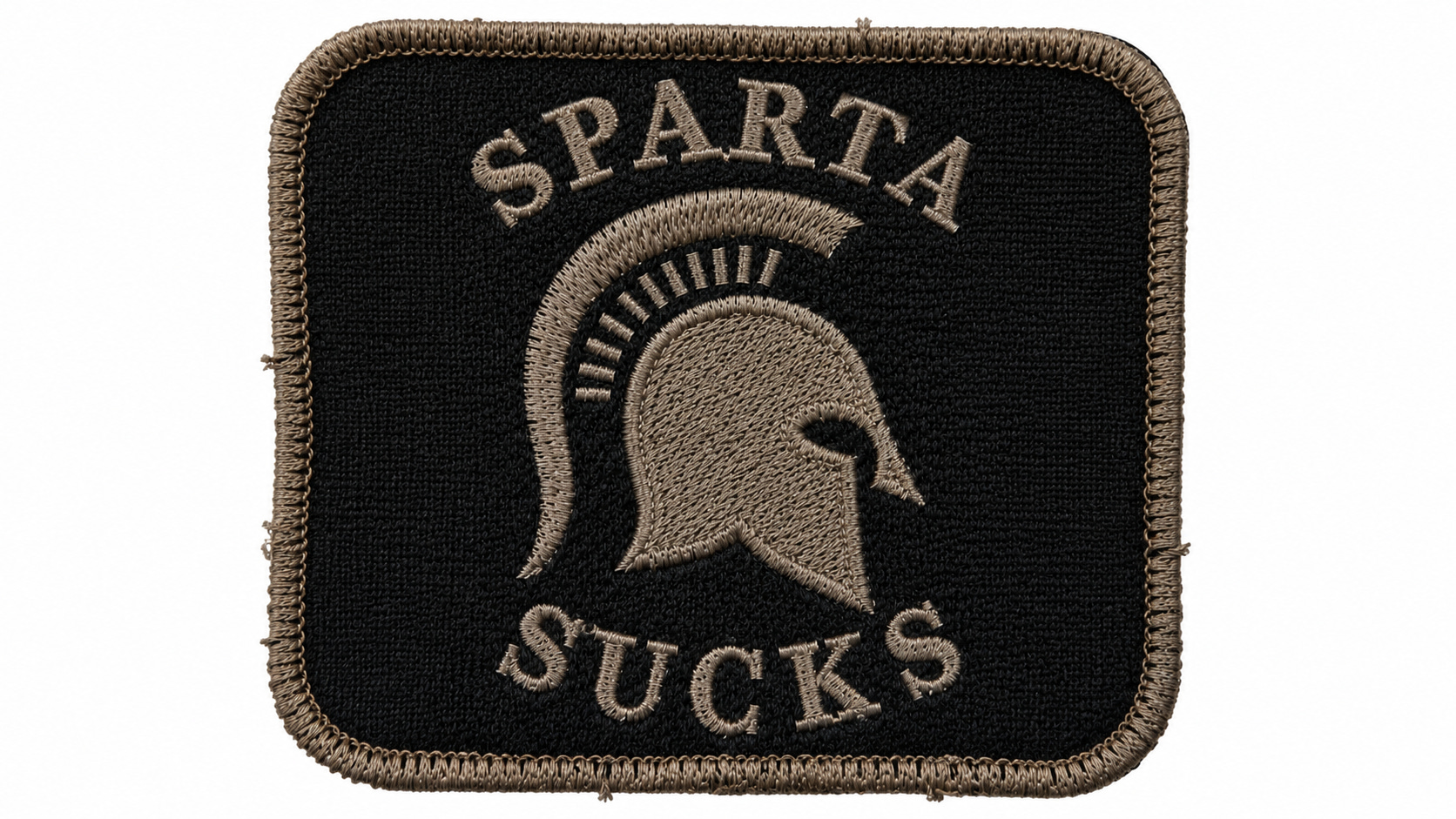
And where is Sparta now? Exactly. History has already rendered its judgment. Sparta survives largely as an aesthetic based not on reality but shared fantasy.
Civilizations worth admiring produce more than macho, muscles, and monster trucks. They produce art, beauty, curiosity. They embrace literature and science; teach music and philosophy. Strength and power, as necessary and noble as they can sometimes be, are dangerous when detached from wisdom, truth, beauty, humility and moral restraint.
Let those with ears hear.

Related Posts


Thanks for spending time in the Studio with me.

Amen, Andy. The Spartans were overrated. They didn’t show up at the battle of Marathon. They only sent Leonidas and 300 Spartans (plus Helots and other non-Spartans) to the battle of Thermopylae. They would have lost the Peloponnesian War to Athens if Persia had not supported them financially. The Spartans were thugs AND humbugs!
Also the most boring faction in Total War ever.